
Call to Schedule!
MedLink Health Solutions
3930 E. Ray Rd Suite #150
Phoenix, AZ 85044
480-482-7055
Rockwood Natural Medicine Clinic
9755 N 90th St. Suite A210
Scottsdale, AZ 85258
480-767-7119
Latest Blogs
Dr. Taddiken treats a wide variety of acute and chronic conditions with naturopathic modalities and therapies. She has a particular interest in women’s and pediatric medicine, including pre and post conception health.
Unlocking the Power of Soaking and Sprouting: Why Your Beans and Seeds Need a Little TLC
Unlocking the Power of Soaking and Sprouting: Why Your Beans and Seeds Need a Little TLC

Have you ever wondered why your grandmother insisted on soaking her beans overnight? Or why that bowl of lentils left you feeling bloated and uncomfortable, even though you know legumes are supposed to be good for you? You're not imagining things, and there's actually ancient wisdom behind these practices that modern science is finally catching up to.
If you've been struggling with digestive issues after eating beans, grains, or seeds: or if you're simply not feeling the nutritional benefits you expected from these "superfoods": this article is for you. The simple practices of soaking and sprouting can transform these foods from potential digestive troublemakers into true nutritional powerhouses.
Understanding Antinutrients: The Hidden Culprits in Your Pantry
Before we dive into solutions, let's talk about what might be causing your discomfort. Many whole foods that we consider healthy: including beans, grains, nuts, and seeds: contain natural compounds called antinutrients. These aren't "bad" substances; they're actually the plant's natural defense mechanism, designed to protect the seed until conditions are right for germination.
The most common antinutrient is phytic acid (also called phytates), which acts like a mineral magnet, binding to essential nutrients like calcium, iron, zinc, and magnesium in your digestive system. When phytic acid latches onto these minerals, your body can't absorb them: meaning you're missing out on the very nutrients you're eating these foods to obtain.
But phytic acid isn't working alone. Other antinutrients include:
Enzyme inhibitors that interfere with your digestion
Tannins that can reduce protein absorption
Lectins that may cause digestive irritation
Saponins that can contribute to gut permeability
Here's the good news: these protective compounds are water-soluble and can be significantly reduced through simple preparation methods our ancestors knew well.

The Remarkable Benefits of Soaking and Sprouting
When you soak and sprout your beans, grains, and seeds, you're not just making them easier to digest: you're actually creating more nutritious food. Here's what happens during this transformation:
Enhanced Nutrient Absorption
Soaking for 24 hours dramatically reduces phytic acid content, freeing up minerals for your body to use. Studies show that sprouting can increase the bioavailability of iron, calcium, and zinc by up to 300%. Your body finally gets access to the nutrition it deserves.
Boosted Vitamin Content
The sprouting process is like nature's vitamin factory. Vitamin C content increases dramatically during germination, B-vitamins (especially B2, B5, and B6) multiply, and beta-carotene can increase up to eightfold. You're essentially growing fresh vitamins right in your kitchen!
Improved Digestibility
Those uncomfortable feelings after eating beans? Soaking and sprouting break down the complex sugars and starches that cause gas and bloating. The process also activates beneficial digestive enzymes, making these foods much gentler on your system.
Increased Antioxidants
Research shows that sprouted foods contain higher levels of antioxidants like ferulic acid and vanillic acid: compounds that help protect your cells from oxidative stress and support overall wellness.
Enhanced Protein Quality
During sprouting, proteins become more digestible and amino acid profiles improve, making plant-based proteins more complete and usable by your body.
Honoring Traditional Wisdom in Modern Times
What we're rediscovering through scientific research is something traditional cultures have known for millennia. From Asian communities soaking and fermenting soybeans to create tempeh, to European traditions of sourdough bread-making, to Indigenous American practices of treating corn with alkaline substances: cultures worldwide developed methods to make plant foods more digestible and nutritious.
This isn't a new health fad: it's ancient wisdom backed by modern science. These traditional practices weren't just about taste; they were about survival and optimal health. Our ancestors understood intuitively what research now confirms: proper preparation unlocks the full potential of plant foods.
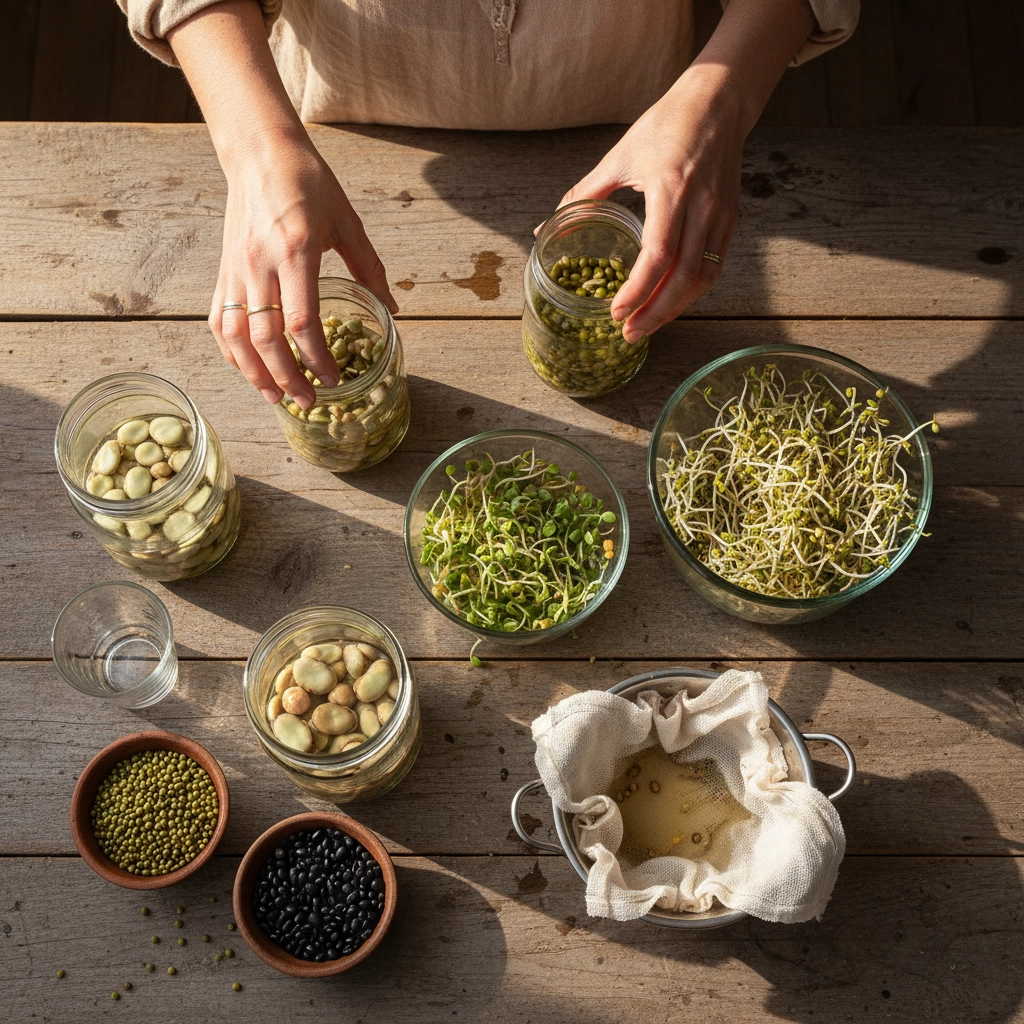
Your Step-by-Step Guide to Soaking and Sprouting
Ready to transform your relationship with beans, grains, and seeds? Here's how to get started:
Basic Soaking Method
Step 1: Choose Your Vessel
Use a large glass bowl or wide-mouth mason jar. Avoid plastic or metal containers, which can interfere with the process.
Step 2: Add Your Seeds or Beans
Place 1 cup of dried beans, grains, or seeds in your container. Rinse them well with filtered water first.
Step 3: Cover with Water
Add 2-3 times as much filtered water as seeds. For enhanced phytic acid reduction, you can add 1 tablespoon of apple cider vinegar or ½ tablespoon of sea salt per cup of seeds.
Step 4: Soak Overnight
Most beans and grains benefit from 8-24 hours of soaking. Larger beans may need longer, while smaller seeds require less time.
Step 5: Rinse Thoroughly
Drain and rinse your soaked foods until the water runs clear. This removes the leached antinutrients and prepares them for cooking or sprouting.
Taking It Further: Sprouting Method
If you want to maximize nutrition, continue to sprouting:
Step 1: After Soaking and Rinsing
Place your rinsed seeds in a sprouting jar or colander lined with cheesecloth.
Step 2: Create the Right Environment
Keep them in a dark, well-ventilated area at room temperature. Rinse and drain thoroughly twice daily.
Step 3: Watch for Growth
Depending on the seed type, you'll see sprouts emerge in 1-4 days. Harvest when sprouts are ¼ to 2 inches long.
Step 4: Final Rinse and Store
Give sprouted foods a final rinse and store in the refrigerator for up to one week.
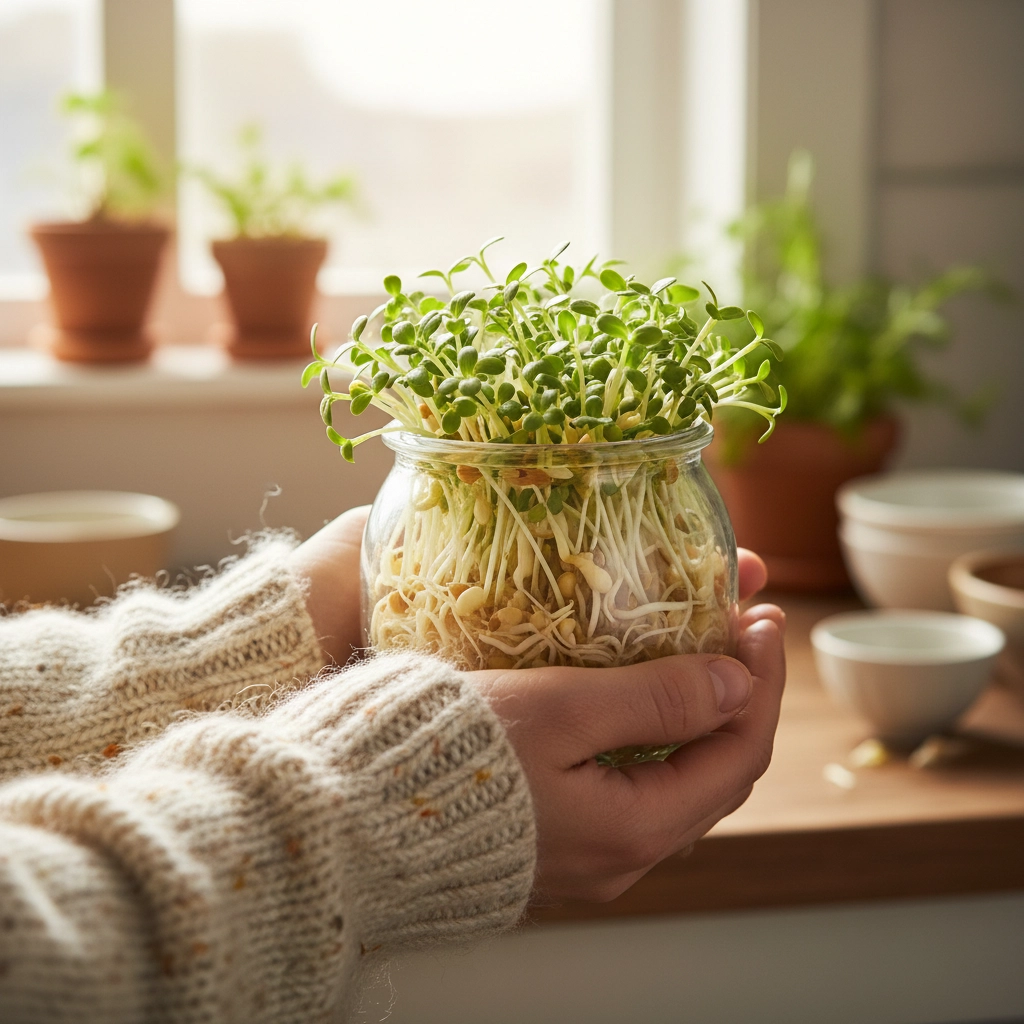
Soaking and Sprouting Times for Common Foods
Mung beans: Soak 8-12 hours, sprout 3-5 days
Chickpeas: Soak 12-24 hours, sprout 2-3 days
Lentils: Soak 8-12 hours, sprout 2-3 days
Quinoa: Soak 4-8 hours, sprout 1-2 days
Brown rice: Soak 12-24 hours, sprout 3-4 days
Almonds: Soak 8-12 hours, sprout 1-2 days
Safety Tips for Success
While soaking and sprouting are generally safe, here are some important guidelines:
Use clean equipment: Sterilize jars and utensils to prevent harmful bacterial growth
Rinse frequently: During sprouting, rinse at least twice daily with fresh water
Trust your senses: If sprouts smell off or appear slimy, discard them
Start fresh: Don't save soaking water for reuse: always start with clean, filtered water
Store properly: Keep finished sprouts refrigerated and use within a week
Listen to your body as you introduce these foods. Start with small amounts and gradually increase as your digestive system adapts to these more bioavailable nutrients.
Your Journey to Better Digestion Starts Here
You don't have to accept digestive discomfort or poor nutrient absorption as normal. Your body deserves to feel good after eating nourishing foods, and these simple preparation methods can make all the difference.
Maybe you've been avoiding beans because they don't agree with you, or perhaps you've felt disappointed that expensive superfoods aren't delivering the energy boost you expected. These ancient techniques can help you reclaim your relationship with plant-based nutrition.
Remember, this is a journey, not a destination. Every small step you take toward better food preparation is an investment in your long-term health and vitality. You have the power to transform your nutrition, starting right in your own kitchen.
At Hawthorn Healing Center, we believe in empowering you with practical tools that support your body's natural healing capacity. These traditional food preparation methods are just one piece of the holistic health puzzle: but they're a powerful piece that can make a real difference in how you feel every day.
Ready to take the first step? Start with something simple tonight: soak some lentils for tomorrow's lunch or try sprouting mung beans for the week ahead. Your digestive system (and your nutrient levels) will thank you.
If you're ready to explore how personalized nutrition and traditional healing wisdom can support your unique health journey, we're here to help. Contact us to learn more about our integrative approach to wellness: because your health matters, and you deserve to feel your absolute best.

Unlocking the Power of Soaking and Sprouting: Why Your Beans and Seeds Need a Little TLC
Unlocking the Power of Soaking and Sprouting: Why Your Beans and Seeds Need a Little TLC
Have you ever wondered why your grandmother insisted on soaking her beans overnight? Or why that bowl of lentils left you feeling bloated and uncomfortable, even though you know legumes are supposed to be good for you? You're not imagining things, and there's actually ancient wisdom behind these practices that modern science is finally catching up to.
If you've been struggling with digestive issues after eating beans, grains, or seeds: or if you're simply not feeling the nutritional benefits you expected from these "superfoods": this article is for you. The simple practices of soaking and sprouting can transform these foods from potential digestive troublemakers into true nutritional powerhouses.
Understanding Antinutrients: The Hidden Culprits in Your Pantry
Before we dive into solutions, let's talk about what might be causing your discomfort. Many whole foods that we consider healthy: including beans, grains, nuts, and seeds: contain natural compounds called antinutrients. These aren't "bad" substances; they're actually the plant's natural defense mechanism, designed to protect the seed until conditions are right for germination.
The most common antinutrient is phytic acid (also called phytates), which acts like a mineral magnet, binding to essential nutrients like calcium, iron, zinc, and magnesium in your digestive system. When phytic acid latches onto these minerals, your body can't absorb them: meaning you're missing out on the very nutrients you're eating these foods to obtain.
But phytic acid isn't working alone. Other antinutrients include:
Enzyme inhibitors that interfere with your digestion
Tannins that can reduce protein absorption
Lectins that may cause digestive irritation
Saponins that can contribute to gut permeability
Here's the good news: these protective compounds are water-soluble and can be significantly reduced through simple preparation methods our ancestors knew well.
The Remarkable Benefits of Soaking and Sprouting
When you soak and sprout your beans, grains, and seeds, you're not just making them easier to digest: you're actually creating more nutritious food. Here's what happens during this transformation:
Enhanced Nutrient Absorption
Soaking for 24 hours dramatically reduces phytic acid content, freeing up minerals for your body to use. Studies show that sprouting can increase the bioavailability of iron, calcium, and zinc by up to 300%. Your body finally gets access to the nutrition it deserves.
Boosted Vitamin Content
The sprouting process is like nature's vitamin factory. Vitamin C content increases dramatically during germination, B-vitamins (especially B2, B5, and B6) multiply, and beta-carotene can increase up to eightfold. You're essentially growing fresh vitamins right in your kitchen!
Improved Digestibility
Those uncomfortable feelings after eating beans? Soaking and sprouting break down the complex sugars and starches that cause gas and bloating. The process also activates beneficial digestive enzymes, making these foods much gentler on your system.
Increased Antioxidants
Research shows that sprouted foods contain higher levels of antioxidants like ferulic acid and vanillic acid: compounds that help protect your cells from oxidative stress and support overall wellness.
Enhanced Protein Quality
During sprouting, proteins become more digestible and amino acid profiles improve, making plant-based proteins more complete and usable by your body.
Honoring Traditional Wisdom in Modern Times
What we're rediscovering through scientific research is something traditional cultures have known for millennia. From Asian communities soaking and fermenting soybeans to create tempeh, to European traditions of sourdough bread-making, to Indigenous American practices of treating corn with alkaline substances: cultures worldwide developed methods to make plant foods more digestible and nutritious.
This isn't a new health fad: it's ancient wisdom backed by modern science. These traditional practices weren't just about taste; they were about survival and optimal health. Our ancestors understood intuitively what research now confirms: proper preparation unlocks the full potential of plant foods.
Your Step-by-Step Guide to Soaking and Sprouting
Ready to transform your relationship with beans, grains, and seeds? Here's how to get started:
Basic Soaking Method
Step 1: Choose Your Vessel
Use a large glass bowl or wide-mouth mason jar. Avoid plastic or metal containers, which can interfere with the process.
Step 2: Add Your Seeds or Beans
Place 1 cup of dried beans, grains, or seeds in your container. Rinse them well with filtered water first.
Step 3: Cover with Water
Add 2-3 times as much filtered water as seeds. For enhanced phytic acid reduction, you can add 1 tablespoon of apple cider vinegar or ½ tablespoon of sea salt per cup of seeds.
Step 4: Soak Overnight
Most beans and grains benefit from 8-24 hours of soaking. Larger beans may need longer, while smaller seeds require less time.
Step 5: Rinse Thoroughly
Drain and rinse your soaked foods until the water runs clear. This removes the leached antinutrients and prepares them for cooking or sprouting.
Taking It Further: Sprouting Method
If you want to maximize nutrition, continue to sprouting:
Step 1: After Soaking and Rinsing
Place your rinsed seeds in a sprouting jar or colander lined with cheesecloth.
Step 2: Create the Right Environment
Keep them in a dark, well-ventilated area at room temperature. Rinse and drain thoroughly twice daily.
Step 3: Watch for Growth
Depending on the seed type, you'll see sprouts emerge in 1-4 days. Harvest when sprouts are ¼ to 2 inches long.
Step 4: Final Rinse and Store
Give sprouted foods a final rinse and store in the refrigerator for up to one week.
Soaking and Sprouting Times for Common Foods
Mung beans: Soak 8-12 hours, sprout 3-5 days
Chickpeas: Soak 12-24 hours, sprout 2-3 days
Lentils: Soak 8-12 hours, sprout 2-3 days
Quinoa: Soak 4-8 hours, sprout 1-2 days
Brown rice: Soak 12-24 hours, sprout 3-4 days
Almonds: Soak 8-12 hours, sprout 1-2 days
Safety Tips for Success
While soaking and sprouting are generally safe, here are some important guidelines:
Use clean equipment: Sterilize jars and utensils to prevent harmful bacterial growth
Rinse frequently: During sprouting, rinse at least twice daily with fresh water
Trust your senses: If sprouts smell off or appear slimy, discard them
Start fresh: Don't save soaking water for reuse: always start with clean, filtered water
Store properly: Keep finished sprouts refrigerated and use within a week
Listen to your body as you introduce these foods. Start with small amounts and gradually increase as your digestive system adapts to these more bioavailable nutrients.
Your Journey to Better Digestion Starts Here
You don't have to accept digestive discomfort or poor nutrient absorption as normal. Your body deserves to feel good after eating nourishing foods, and these simple preparation methods can make all the difference.
Maybe you've been avoiding beans because they don't agree with you, or perhaps you've felt disappointed that expensive superfoods aren't delivering the energy boost you expected. These ancient techniques can help you reclaim your relationship with plant-based nutrition.
Remember, this is a journey, not a destination. Every small step you take toward better food preparation is an investment in your long-term health and vitality. You have the power to transform your nutrition, starting right in your own kitchen.
At Hawthorn Healing Center, we believe in empowering you with practical tools that support your body's natural healing capacity. These traditional food preparation methods are just one piece of the holistic health puzzle: but they're a powerful piece that can make a real difference in how you feel every day.
Ready to take the first step? Start with something simple tonight: soak some lentils for tomorrow's lunch or try sprouting mung beans for the week ahead. Your digestive system (and your nutrient levels) will thank you.
If you're ready to explore how personalized nutrition and traditional healing wisdom can support your unique health journey, we're here to help. Contact us to learn more about our integrative approach to wellness: because your health matters, and you deserve to feel your absolute best.
Sign Up For My Monthly Newsletter!
I share valuable tips, tricks and health hacks that will benefit you and the ones you love.
Call
Scottsdale Location:480-767-7119
Ahwatukee Location: 480-482-7055
Email:
info@rockwoodnaturalmedicine.com
info@medlinkhs.com